
Case Studies
Case Studies
Every case below is anonymised in line with the confidentiality standard described on About. Each is based on mandates D2C Strategy has handled, with details adjusted to protect client identity.
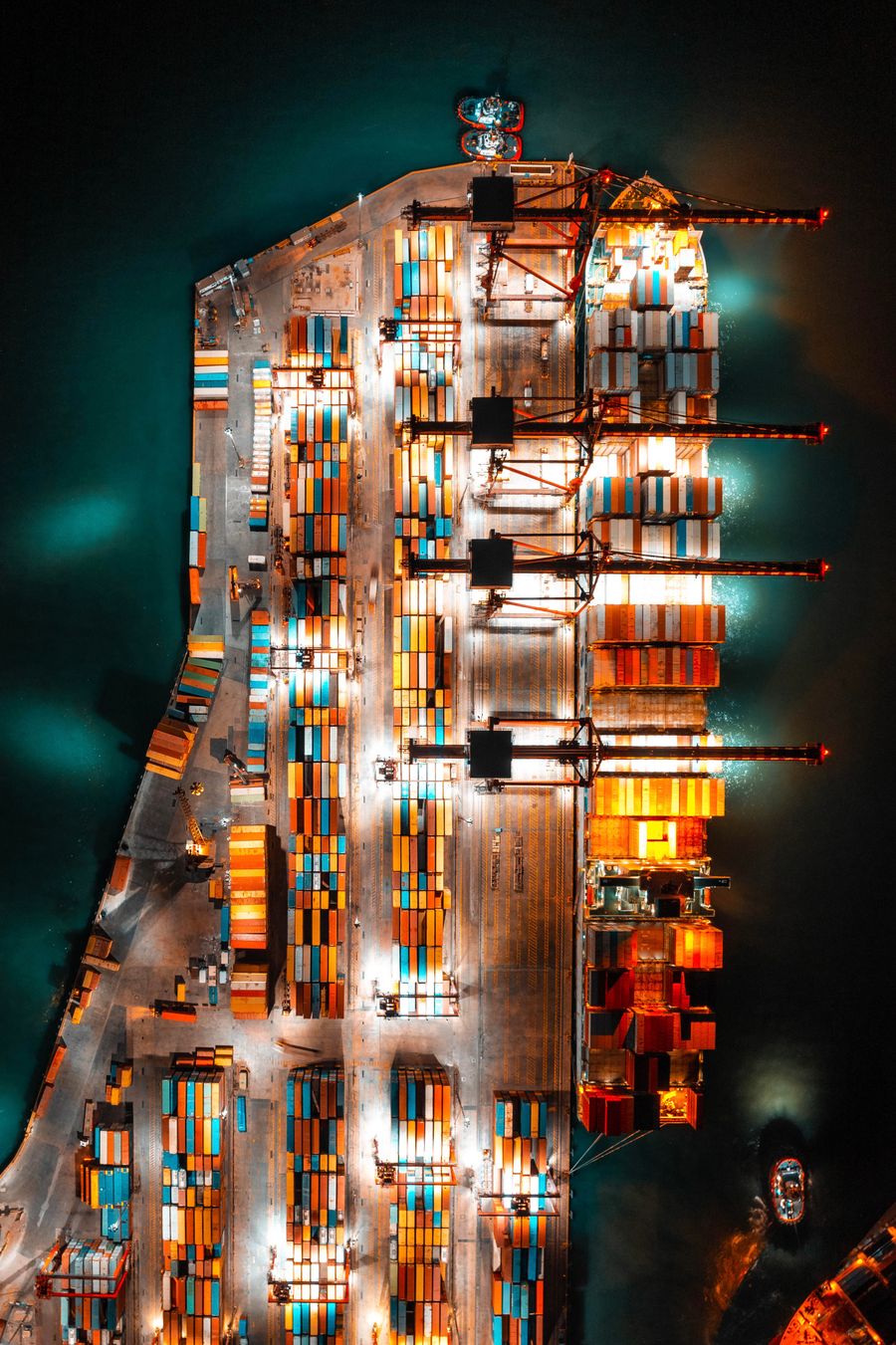 Logistics: A Freight Corridor Blocked by a LicenceA regional logistics operator with an established European network wanted to add a cross-border freight corridor connecting southern Europe to North Africa.
Read caseClose
Logistics: A Freight Corridor Blocked by a LicenceA regional logistics operator with an established European network wanted to add a cross-border freight corridor connecting southern Europe to North Africa.
Read caseClose
A regional logistics operator with an established European network wanted to add a cross-border freight corridor connecting southern Europe to North Africa, extending its existing customer base into new geography. Two competitors had already tried the same corridor and stalled at the same point: the bonded warehouse regime required a locally held customs brokerage licence that neither had managed to secure within their planned timeline.
D2C Strategy identified the licence requirement during the diagnostic phase, then structured a joint venture with a customs broker who already held it. The corridor was operational within nine months of mandate, with the partner's existing licence removing the exact delay that had stopped two earlier entrants.
More on the sector: Logistics
 Green Energy: A Grid Queue Three Years DeepAn independent power producer with existing solar assets in one Southeast Asian market wanted to expand into a neighbouring market with a similarly strong resource profile.
Read caseClose
Green Energy: A Grid Queue Three Years DeepAn independent power producer with existing solar assets in one Southeast Asian market wanted to expand into a neighbouring market with a similarly strong resource profile.
Read caseClose
An independent power producer with existing solar assets in one Southeast Asian market wanted to expand into a neighbouring market with a similarly strong resource profile. That market’s grid connection queue ran three years deep, and the tariff structure had shifted from a fixed feed-in rate to a competitive auction the client had never bid into.
D2C Strategy modelled three tariff scenarios against the auction rules and identified an interconnection upgrade the grid operator had already approved for a different project, opening an earlier connection slot for a smaller reserved capacity. A local development partner with prior auction experience joined ahead of the bid deadline, and the project cleared the auction round at a tariff within the client's target range.
More on the sector: Green Energy
 Manufacturers: Four Countries, One Cost ModelA precision components manufacturer wanted to relocate part of its supply chain closer to a growing end market, cutting shipping time to its largest customer.
Read caseClose
Manufacturers: Four Countries, One Cost ModelA precision components manufacturer wanted to relocate part of its supply chain closer to a growing end market, cutting shipping time to its largest customer.
Read caseClose
A precision components manufacturer wanted to relocate part of its supply chain closer to a growing end market, cutting shipping time to its largest customer. Cost projections varied significantly across four candidate countries once free zone incentives, import duty exposure and labour cost were weighed together, and the client's internal team had modelled each factor separately, one country at a time.
D2C Strategy ran a twelve-week site selection process across the four candidate countries, weighing all three factors together for each site. The recommended free-zone location cut projected landed cost by twelve percent against the client's original shortlist leader.
More on the sector: Manufacturers
 Construction: Bidding Direct Instead of Through IntermediariesA structural steel supplier with a strong domestic order book wanted to bid directly on public infrastructure tenders in a neighbouring market.
Read caseClose
Construction: Bidding Direct Instead of Through IntermediariesA structural steel supplier with a strong domestic order book wanted to bid directly on public infrastructure tenders in a neighbouring market.
Read caseClose
A structural steel supplier with a strong domestic order book wanted to bid directly on public infrastructure tenders in a neighbouring market, instead of continuing to sell only through intermediaries. Direct bidding required local contractor registration, a process that runs about two years from a standing start.
D2C Strategy identified an already registered mid-sized contractor whose licence covered the tender category that the client needed, and structured a partnership that let the client bid as a named subcontractor within one tender cycle. The client won its first tender under that partnership and used the track record to apply for its own registration the following year.
More on the sector: Construction
 Infrastructure: Pricing a Government's Payment History into the BidA construction group with concession experience in one country wanted to bid on a toll road concession in a neighbouring market, backed by a government minimum revenue guarantee.
Read caseClose
Infrastructure: Pricing a Government's Payment History into the BidA construction group with concession experience in one country wanted to bid on a toll road concession in a neighbouring market, backed by a government minimum revenue guarantee.
Read caseClose
A construction group with concession experience in one country wanted to bid on a toll road concession in a neighbouring market, backed by a government minimum revenue guarantee. The same government had issued two earlier concessions with similar guarantees, both with a documented history of late payment that stood outside the client's original financing assumptions.
D2C Strategy reviewed the payment history on both earlier concessions and found a pattern of payments running past ninety days late, pricing that risk directly into the client's financing structure before the bid was submitted. The government's payment did in fact run late in the first year of the concession, and the client's financing buffer had already been sized to that exact delay.
More on the sector: Infrastructure
Bring Your Own Market to This List
Every case above started as a diagnostic on a specific market and sector, the same starting point for any new mandate.