
Market Evaluation
This starts with sizing demand and mapping competitors. Regulatory viability gets tested in parallel, before any commercial commitment is made.

D2C Strategy advises companies in asset-heavy and security-sensitive sectors on whether to enter a market, and on what has to happen once that decision is made.
Regulatory detail decides whether a market entry plan works. A grid connection delayed by months, or a customs code misread at the border, can undo an otherwise sound strategy.
A typical strategy report ranks a shortlist of countries and stops at the recommendation. What gets handed to someone else is usually the permitting timeline, or the question of which local partner holds the right licence. That handover often comes after capital has already been committed.
For asset-heavy sectors, that is exactly where time and money get lost.
Every engagement pairs London-based strategic direction with a senior advisor resident in the target market. That advisor has negotiated a tender or signed a lease there before, so a recommendation gets tested against a real procurement board before it goes to a client.
This starts with sizing demand and mapping competitors. Regulatory viability gets tested in parallel, before any commercial commitment is made.
The right vehicle for one market might be a joint venture. For another, a straight acquisition works better. D2C Strategy weighs the options and negotiates the terms that follow.
Permits and local content rules are secured first. Then come the contractors and suppliers the new operation will depend on.
Staying engaged through the first phase of live operation, when most avoidable mistakes happen.
We advise from London, backed by senior partners resident in the markets clients are entering across Europe, the Middle East, Asia-Pacific, Africa and the Americas. Each engagement draws on someone who has already dealt with the specific port authority or procurement board involved.
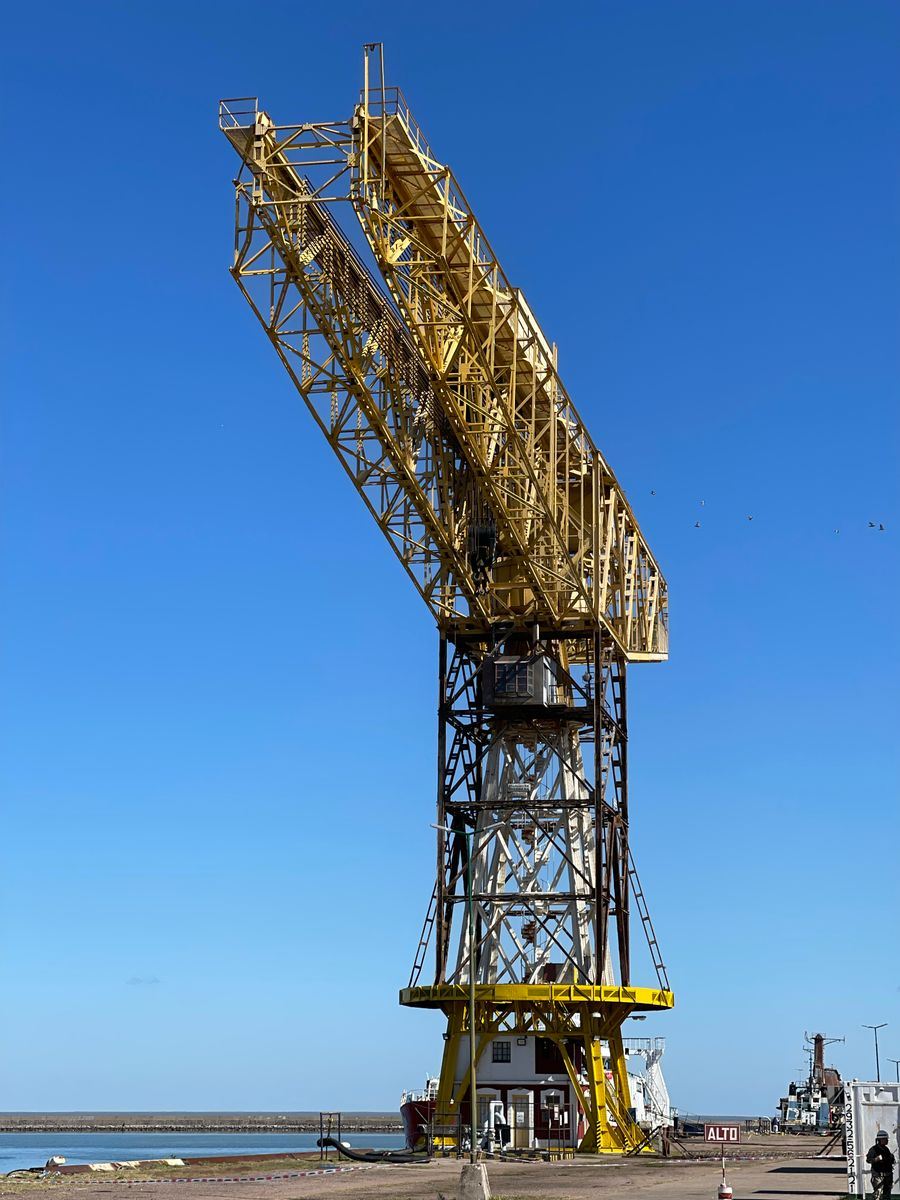 LogisticsWhere entry usually stalls: Customs classification, bonded warehousing, last-mile licensing.
 ConstructionWhere entry usually stalls: Contractor licensing, local content quotas, land title verification.
 Green EnergyWhere entry usually stalls: Offtake agreements, grid connection timelines, subsidy eligibility.
 ManufacturersWhere entry usually stalls: Import duty structure, industrial zoning, supply chain localisation.
 InfrastructureWhere entry usually stalls: Concession bidding, sovereign counterparty risk, financing conditions.
 DefenceWhere entry usually stalls: Export controls, end-user approvals, security clearance requirements, local licensing and procurement eligibility.
Every engagement starts with a specific market. Tell us the country, the sector, and the stage you're at.